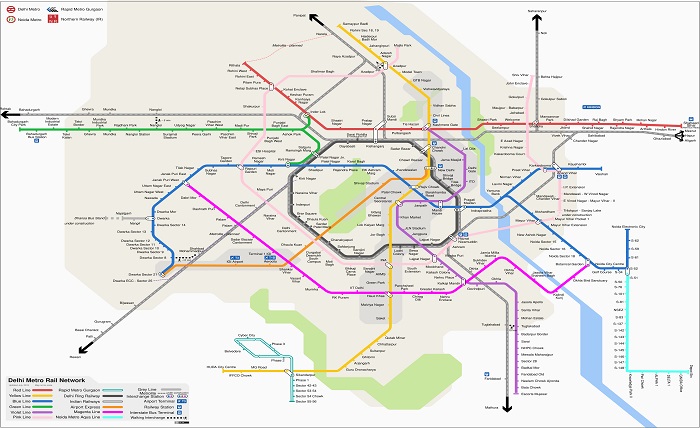
A metromap is an essential tool used in public transportation systems to help passengers navigate metro routes, subway stations, and transit connections efficiently. Whether you are traveling in a busy metropolitan city or exploring a new urban destination, a metromap simplifies your journey by visually representing train lines, station names, and interchange points. Over the years, the concept of the metromap has evolved from printed paper guides to highly interactive digital applications that provide real-time updates and route planning.
The importance of a metromap cannot be overstated because millions of commuters rely on it every day to save time and avoid confusion. A well-designed metromap makes transportation systems more accessible for tourists, students, office workers, and residents alike. In today’s fast-paced world, understanding how a metromap works can significantly improve your travel experience.
History and Evolution of Metromap
The journey of the metromap began in the early twentieth century when urban transportation systems started expanding rapidly. Initially, metro routes were displayed using geographically accurate layouts, but these designs were often difficult for commuters to understand. The breakthrough came when simplified diagram-style metromap designs were introduced, focusing more on readability than exact geographical accuracy.
One of the most famous examples of an early metromap was created for the London Underground. This revolutionary design used colored lines, clear station labels, and organized connections, making it easier for passengers to follow routes. Since then, almost every major city in the world has adopted its own version of the metromap.
Modern metromap systems have moved beyond paper-based guides. Today, smartphones, GPS-enabled transit apps, and interactive digital displays provide real-time navigation support. The digital transformation of the metromap has improved convenience and accessibility for commuters across the globe.
How Metromap Helps Daily Commuters
A metromap plays a major role in helping daily commuters travel efficiently. In large cities with extensive metro systems, understanding multiple train lines and station connections can be overwhelming without a proper metromap. By clearly displaying routes and interchange stations, a metromap allows passengers to plan their journeys with confidence.
One of the biggest advantages of using a metromap is time-saving. Commuters can quickly identify the shortest route to their destination and avoid unnecessary transfers. This is especially important during rush hours when metro stations are crowded and delays can occur.
Another benefit of the metromap is reducing travel stress. Tourists visiting a new city often feel confused about public transportation systems, but a user-friendly metromap helps them navigate unfamiliar routes easily. Many metro authorities now provide multilingual metromap versions to accommodate international travelers.
Digital metromap applications also provide live train timings, service alerts, and estimated arrival times. These features help commuters make informed travel decisions and improve overall transit efficiency.
Features of a Good Metromap
An effective metromap must be simple, clear, and easy to understand. The design of a metromap directly affects how efficiently commuters can navigate a metro system. One of the most important features of a good metromap is the use of color-coded lines. Different metro routes are represented by unique colors, making it easier to distinguish between lines.
Another important feature of a metromap is station labeling. Clear and readable station names help passengers locate stops quickly without confusion. Interchange stations are usually highlighted prominently on a metromap because they allow commuters to switch between lines.
Modern digital metromap systems often include interactive features such as zoom functionality, route planners, and accessibility information. Some advanced metromap applications even integrate artificial intelligence to suggest the fastest or least crowded routes.
Accessibility is another critical aspect of a good metromap. Many metro systems now design metromap versions for visually impaired passengers, using tactile symbols or audio-based guidance systems. This ensures that public transportation remains inclusive for all users.
Digital Transformation of Metromap Technology
The rise of smartphones and internet connectivity has transformed the traditional metromap into a highly advanced digital navigation tool. Today, commuters rarely rely solely on printed maps because mobile-based metromap applications provide more convenience and real-time updates.
A digital metromap offers several advantages over traditional paper maps. Users can search for destinations instantly, calculate travel time, and receive alerts about delays or route changes. Many transit authorities also integrate payment systems into their metromap applications, allowing commuters to purchase tickets directly from their phones.
Artificial intelligence and machine learning are also improving the functionality of the metromap. Smart algorithms analyze commuter behavior and traffic patterns to recommend optimized travel routes. This technological advancement makes the metromap more efficient and user-friendly.
Cloud computing has further enhanced the reliability of digital metromap platforms. Real-time synchronization ensures that commuters always receive the latest transit information. As urban populations continue to grow, digital metromap systems will become increasingly important in managing transportation networks effectively.
Importance of Metromap for Tourists
For tourists visiting unfamiliar cities, a metromap is one of the most valuable travel tools. Navigating public transportation in a foreign country can be intimidating, especially when language barriers exist. A clear and well-designed metromap helps tourists travel independently without constantly relying on taxis or tour guides.
Most major tourist destinations are connected through metro systems, and a metromap allows visitors to identify the quickest routes between attractions. By using a metromap, tourists can save money on transportation and explore cities more efficiently.
Many cities now offer interactive digital metromap services specifically designed for tourists. These versions often include landmark icons, multilingual support, and travel recommendations. Some metromap applications even integrate augmented reality features to guide users through metro stations.
The availability of an accurate metromap also enhances tourist confidence. Instead of feeling lost or uncertain, travelers can explore urban destinations comfortably and safely. This improves the overall tourism experience and encourages the use of public transportation systems.
Future Trends in Metromap Innovation
The future of the metromap is closely connected to advancements in smart city technologies and artificial intelligence. As urban transportation systems become more complex, the role of the metromap will continue to expand beyond basic navigation.
One emerging trend is the use of augmented reality in metromap applications. By using smartphone cameras, passengers can receive real-time visual navigation instructions inside metro stations. This innovation makes the metromap more interactive and user-friendly.
Another important development is personalized route planning. Future metromap systems may analyze user preferences, travel history, and real-time crowd data to suggest customized travel options. This could significantly improve commuter comfort and reduce congestion.
Sustainability is also influencing the evolution of the metromap. Eco-friendly transportation initiatives encourage more people to use public transit systems, increasing the importance of efficient metromap solutions. Cities investing in green infrastructure often prioritize improving their metro navigation systems.
The integration of voice assistants and wearable technology may also redefine the future of the metromap. Smartwatches and voice-controlled devices could provide hands-free navigation support, making metro travel even more convenient.
Why Every City Needs an Efficient Metromap
An efficient metromap is essential for the smooth functioning of any urban transportation network. As cities grow larger and populations increase, public transit systems become more crowded and complicated. Without a reliable metromap, commuters may experience confusion, delays, and inefficient travel patterns.
A well-organized metromap improves the overall commuter experience by simplifying navigation and reducing stress. It also encourages more people to use public transportation instead of private vehicles, helping reduce traffic congestion and environmental pollution.
City planners and transportation authorities recognize the importance of investing in high-quality metromap systems. Modern urban development projects often include digital metromap infrastructure as a key component of smart city planning.
In addition, an accessible metromap supports inclusivity by ensuring that people of all ages and abilities can navigate metro systems easily. This makes public transportation more equitable and user-friendly for everyone.
Conclusion
The metromap is far more than a simple transit guide; it is a vital component of modern urban transportation. From helping daily commuters save time to assisting tourists in exploring new cities, the metromap plays a crucial role in improving mobility and convenience. As technology continues to evolve, the future of the metromap will include smarter, more interactive, and highly personalized navigation solutions.
Whether in printed or digital form, the metromap remains one of the most important tools for navigating busy metropolitan transit systems. By understanding the features, benefits, and future innovations of the metromap, commuters can make the most of public transportation and enjoy smoother travel experiences.
FAQs
1. What is a metromap?
A metromap is a visual guide that shows metro or subway routes, station names, and interchange connections to help passengers navigate public transportation systems.
2. Why is a metromap important?
A metromap helps commuters and tourists travel efficiently by providing clear route information, reducing confusion, and saving travel time.
3. How does a digital metromap work?
A digital metromap uses mobile apps or online platforms to provide real-time route planning, train schedules, service alerts, and navigation assistance.
4. Can tourists use a metromap easily?
Yes, most modern metromap systems are designed with clear layouts, multilingual support, and tourist-friendly features for easier navigation.
5. What is the future of metromap technology?
The future of the metromap includes augmented reality navigation, AI-powered route suggestions, voice assistant integration, and personalized travel planning.