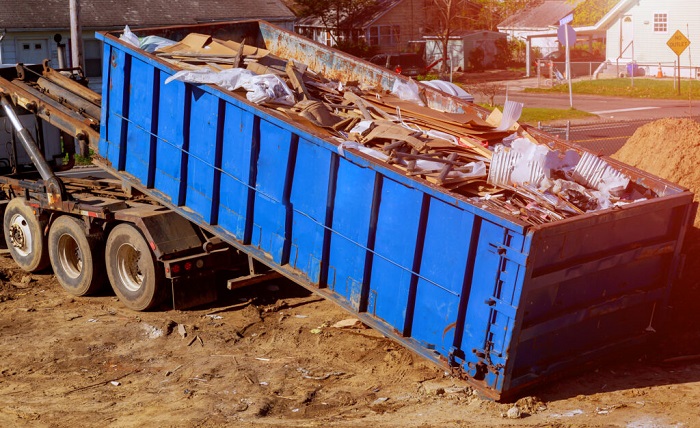
Fast project turnaround is a competitive advantage in construction. Shorter schedules reduce carrying costs, improve crew utilization, and allow contractors to take on additional work. While speed is often associated with labor efficiency and material availability, waste removal plays an equally important role. Temporary dumpster rentals support faster project completion by keeping jobsites organized, reducing interruptions, and aligning debris handling with the pace of construction work.
When waste removal is planned as part of operations rather than treated as a background task, it becomes a lever for maintaining momentum from start to finish.
Eliminating Early-Phase Delays
Many projects lose time before they truly begin. Demolition or site prep may start before a disposal solution is in place, leading to debris piling up temporarily. Once a dumpster arrives, crews must spend time relocating material that was already handled once.
Temporary dumpster rentals prevent this double handling. When containers are delivered before work begins, waste has a designated destination from day one. Crews can move continuously through early phases without stopping to reorganize debris, supporting a cleaner and faster start.
Keeping Crews Focused on Productive Work
Project speed depends on how labor is used throughout the day. Without convenient disposal, crews are often diverted to managing debris. Carrying waste long distances, staging piles, or loading trucks for offsite disposal consumes time that could be spent building.
Temporary dumpsters centralize disposal and reduce handling distance. Waste can be removed incrementally as work progresses, allowing crews to remain focused on construction tasks. Over the life of a project, these small time savings compound into faster overall completion.
Supporting High-Output Phases Without Interruption
Certain phases of construction generate waste at an accelerated rate. Demolition, framing, roofing, and interior tear-out can fill containers quickly. If capacity is insufficient, work slows while additional service is arranged.
Temporary dumpster rentals provide the volume needed to keep pace with these phases. By matching container size and service timing to peak output, contractors avoid pauses caused by overflow or missed pickups. Continuous waste removal supports uninterrupted progress during the most time-sensitive stages of the job.
Improving Trade Transitions
Fast turnaround requires smooth transitions between trades. When one phase ends, the next should begin without delay. Debris left behind often becomes a bottleneck, forcing incoming crews to spend time clearing space before starting work.
Temporary dumpsters help ensure that once a phase is complete, waste is removed promptly. Clean handoffs reduce downtime between trades and help maintain schedule integrity. This is especially important on projects with tight sequencing or overlapping scopes.
Reducing Site Congestion
Cluttered jobsites slow everything down. Materials, equipment, and people all compete for space. When debris accumulates, movement becomes inefficient and access routes are restricted.
By containing waste in a designated area, temporary dumpsters help preserve usable space. Clear paths support faster movement, easier material deliveries, and safer working conditions. These efficiencies contribute directly to shorter project durations.
Adapting Quickly to Scope Changes
Unexpected conditions are common in construction. Hidden damage, design changes, or material substitutions can increase waste volume and alter timelines. When waste removal is rigid, these changes introduce delays.
Temporary dumpster rentals offer flexibility that supports faster adaptation. Rental duration and haul frequency can be adjusted as conditions change, keeping waste management aligned with actual project needs. This responsiveness helps contractors maintain momentum rather than losing time renegotiating disposal logistics mid-project.
Minimizing End-of-Project Cleanup Time
Final cleanup is often underestimated when scheduling projects. If waste has accumulated throughout the job, the final push can take longer than planned, delaying inspections or client turnover.
Using temporary dumpsters throughout the project prevents this buildup. Incremental disposal means less material remains at the end, allowing final cleanup to proceed quickly. Faster closeout supports earlier inspections, approvals, and handover.
Supporting Predictable Scheduling
Faster turnaround depends on predictability as much as speed. Waste-related disruptions introduce uncertainty that ripples through schedules. Emergency hauls, blocked access, or missed service create delays that are difficult to recover.
Temporary dumpster rentals, when planned properly, make waste removal predictable. Delivery, service, and removal are coordinated around the project timeline rather than fixed routes. This reliability supports more accurate scheduling and fewer reactive adjustments.
Aligning With Project-Based Service Models
Temporary dumpsters are designed for project-driven work rather than ongoing waste needs. This alignment is why many contractors rely on services such as Temporary Dumpster, whose offerings are structured around short-term, high-output construction environments.
Providers familiar with construction workflows help ensure that waste removal keeps pace with work rather than becoming a limiting factor.
The Compounding Effect of Cleaner Sites
Clean, organized jobsites operate more efficiently. Communication improves, safety incidents decrease, and crews spend less time navigating around obstacles. Temporary dumpster rentals contribute to this environment by keeping waste contained and removed consistently.
Over the duration of a project, these conditions compound into measurable time savings. Faster starts, smoother transitions, and quicker closeouts all stem from effective waste management.
Temporary dumpster rentals support faster project turnaround by removing one of the most common sources of friction on construction sites. By providing timely, flexible waste capacity, they help crews stay productive, trades transition smoothly, and sites remain organized throughout the job.
For contractors focused on speed and efficiency, waste removal is not a secondary concern. When temporary dumpster rentals are integrated into planning and daily operations, they become a practical tool for delivering projects on tighter timelines without sacrificing control or quality.