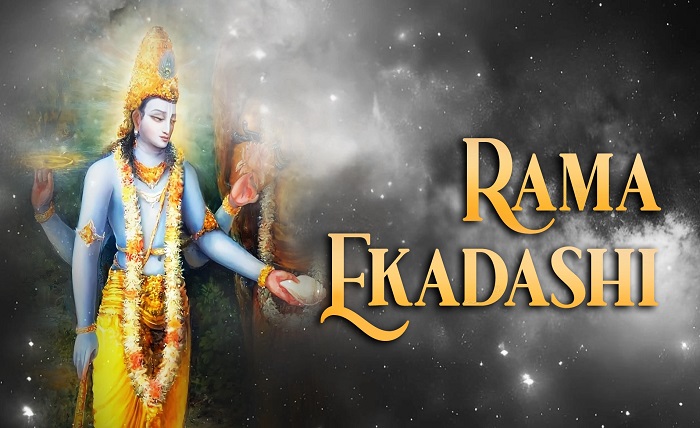
Ekadashi kab hai refers to the eleventh lunar day of both the waxing and waning phases of the moon in the Hindu calendar. People often search ekadashi kab hai to plan their fasts and spiritual practices in advance. Ekadashi kab hai is considered highly sacred in Hinduism because it is dedicated to Lord Vishnu and is believed to cleanse sins and bring spiritual growth. Knowing ekadashi kab hai helps devotees align their religious activities with the correct lunar timing.
Spiritual Importance of Ekadashi Kab Hai
Ekadashi kab hai holds deep spiritual importance for millions of devotees. When people ask ekadashi kab hai, they are often preparing for fasting, prayer, and meditation. Ekadashi kab hai is believed to purify the mind and body, helping individuals detach from material desires. Scriptures mention that observing ekadashi kab hai with devotion can bring peace, prosperity, and liberation from negative karma.
Types of Ekadashi Kab Hai in Hindu Calendar
Ekadashi kab hai occurs twice every lunar month—once during Shukla Paksha (bright phase) and once during Krishna Paksha (dark phase). Devotees frequently check ekadashi kab hai to observe the correct fasting day. Some famous types include Nirjala Ekadashi, Devshayani Ekadashi, and Mokshada Ekadashi. Each ekadashi kab hai has its own significance, rituals, and spiritual benefits, making it important to know the exact timing.
How to Find Ekadashi Kab Hai Every Month
Ekadashi kab hai can be easily checked using Panchang calendars, astrology apps, or online Hindu calendar websites. Many people search ekadashi kab hai on Google to get instant updates based on their location. Since ekadashi kab hai depends on lunar movements, it may vary slightly depending on geography and time zone. Therefore, always verify ekadashi kab hai from a reliable source before observing the fast.
Rituals and Practices on Ekadashi Kab Hai
When devotees know ekadashi kab hai, they prepare for specific rituals such as fasting, chanting Vishnu mantras, and visiting temples. Ekadashi kab hai is observed by avoiding grains, rice, and certain foods while focusing on fruits and sattvic meals. Many people also stay awake at night chanting prayers. Observing ekadashi kab hai with sincerity is believed to bring divine blessings and spiritual upliftment.
Health and Scientific Benefits of Ekadashi Kab Hai
Ekadashi kab hai is not only a religious observance but also has health benefits. Fasting on ekadashi kab hai helps detoxify the body, improve digestion, and boost mental clarity. Scientists believe that periodic fasting like ekadashi kab hai can regulate metabolism and improve overall well-being. This is why many people, even outside strict religious practices, still observe ekadashi kab hai for health reasons.
Common Mistakes People Make on Ekadashi Kab Hai
Many devotees misunderstand ekadashi kab hai and end up observing the fast on the wrong day due to calendar confusion. Another common mistake is not following proper fasting rules on ekadashi kab hai, such as consuming prohibited foods. Some also skip prayers, which reduces the spiritual benefit of ekadashi kab hai. It is important to follow authentic Panchang guidance to correctly observe ekadashi kab hai.
Modern Ways to Stay Updated About Ekadashi Kab Hai
In today’s digital era, staying updated about ekadashi kab hai is very easy. Mobile apps send notifications about ekadashi kab hai so devotees never miss the fasting day. Social media groups and temple websites also regularly post updates on ekadashi kab hai. This makes it convenient for people worldwide to stay connected with traditional practices and observe ekadashi kab hai correctly.
Conclusion
In conclusion, ekadashi kab hai is more than just a date—it is a spiritually significant day that connects devotees with Lord Vishnu. Knowing ekadashi kab hai helps individuals prepare mentally, physically, and spiritually for fasting and devotion. Whether for religious belief or health benefits, observing ekadashi kab hai brings discipline, purity, and peace into life.
FAQs
1. What does ekadashi kab hai mean?
Ekadashi kab hai means asking about the eleventh lunar day in the Hindu calendar when fasting and worship of Lord Vishnu are observed.
2. Why do people search ekadashi kab hai every month?
People search ekadashi kab hai to know the exact fasting dates and prepare for religious rituals and spiritual practices.
3. How many times does ekadashi kab hai occur in a year?
Ekadashi kab hai occurs about 24 times in a year, twice in each lunar month according to the Hindu calendar.
4. Can ekadashi kab hai dates change every year?
Yes, ekadashi kab hai dates change every year because they are based on the lunar cycle, not the solar calendar.
5. What should be avoided on ekadashi kab hai?
On ekadashi kab hai, grains, rice, and tamasic foods are avoided, and devotees focus on fasting, prayer, and meditation.