

Video games today are more than a form of entertainment—they are one of the most influential cultural forces shaping the imagination of a new creative generation. What once began as simple 8-bit experiments has grown into a sophisticated blend of cinematic storytelling, architectural world-building, complex musical scores, and interactive emotional experiences. Through these elements, games inspire artists, musicians, and designers to explore new techniques and creative visions.
The creative impact of gaming extends far beyond traditional gameplay. It influences digital painters experimenting with lighting and mood, musicians seeking atmospheric inspiration, and designers learning from user interface systems crafted under intense competitive pressure. Games offer a unique environment where art interacts with action, decisions shape narratives, and music responds dynamically to player behavior.
As gaming culture expands into esports, modding communities, virtual reality, and cross-media collaborations, its influence on creativity only becomes deeper. Today, countless professionals—from illustrators and composers to graphic designers and 3D modelers—trace their artistic development back to the worlds they explored on a screen. This article takes a detailed look at how games fuel creativity across multiple fields.
How gaming worlds influence visual artists and illustrators
For visual artists, few modern mediums offer as much inspiration as video games. Games combine architecture, character design, color psychology, and environmental storytelling in ways that encourage artists to explore new ideas. Every in-game landscape—from neon-lit cyberpunk cities to quiet medieval villages—demonstrates how lighting, texture, and atmosphere work together to evoke emotion. These elements become references for illustrators and concept artists who want to enhance their own storytelling abilities.
Many artists study the structure of game worlds to understand how mood is created. In titles like Elden Ring or Death Stranding, massive open worlds rely on composition, contrast, and visual pacing to guide the player’s focus. Artists often break down these environments frame by frame, analyzing why certain scenes feel immersive or unsettling. These insights help them improve the depth and emotional impact of their own artwork.
Esports titles also inspire visual creativity. Counter-Strike, with its instantly recognizable maps, character models, and tactical angles, motivates artists to create fan art, redesigns, and stylized interpretations of in-game moments. Many creators track ongoing esports events or follow cs2 tournaments — which they can view on platforms such as egamersworld — to capture the energy and atmosphere of competitive matchups in their illustrations. This allows artists to merge real-time esports excitement with personal artistic style.
For aspiring digital painters, games serve as a virtual library of references. They offer examples of weather effects, creature design, clothing patterns, battle choreography, and unique architectural styles. This visual diversity strengthens creative flexibility, pushing artists to break boundaries and expand their artistic identity.
Music shaped by digital worlds and interactive storytelling
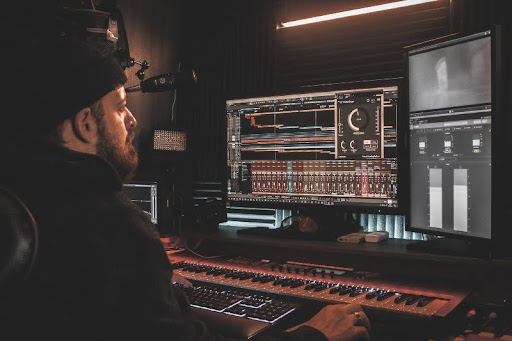
Video game soundtracks have evolved from simple background melodies into complex musical compositions that rival film scores. Modern game composers craft atmospheric, emotional, and adaptive tracks that shift dynamically based on gameplay, making games an endless source of inspiration for musicians.
Music inspired by games often explores emotional depth. Composers analyze how soundtracks in titles like The Last of Us, Hollow Knight, or Ori and the Blind Forest use harmony and tone to build tension or create calm. These soundscapes inspire musicians to experiment with minimalist melodies, ambient textures, and orchestral layers. Many artists adopt game-inspired approaches in their albums, using cinematic builds and rhythmic motifs reminiscent of boss battles, exploration themes, or victory screens.
Interactive storytelling also changes how musicians think about structure. Instead of traditional linear composition, game music often loops, evolves, and responds to player choices. This encourages composers to experiment with adaptive scoring and layered arrangements—techniques now widely used in digital music production.
In competitive gaming culture, music frequently reflects intensity and momentum. Some artists follow esports highlights or cs2 matches, accessible on platforms like egamersworld, while producing energetic tracks that mirror the pace of tactical gameplay. The rhythm of clutch rounds, the tension of last-second defuses, and the adrenaline rush of overtime rounds naturally influence tempo, bass lines, and dynamic build-ups.
Ultimately, gaming soundtracks provide a vast emotional palette, helping musicians explore new storytelling possibilities and develop signature sounds inspired by the digital worlds they love.
Game design as a source of innovation for designers and creative industries
Game design influences far more than gaming alone—it shapes modern digital interfaces, visual communication, and product design across various industries. For UI/UX designers, games represent some of the most demanding environments for clarity and usability. Competitive titles must display complex information—maps, health bars, ammunition, timers, ability cooldowns—without overwhelming the player. Studying these systems teaches designers how to build interfaces that communicate efficiently under pressure.
The influence of game design can be seen in software dashboards, mobile app navigation, wearable device interfaces, and even online shopping layouts. Concepts like progress bars, inventory grids, tier systems, badges, and quest-style tasks have seamlessly migrated from gaming into real-world digital products. This crossover demonstrates the practical power of game-driven design thinking.
Beyond interfaces, game aesthetics inspire entire industries. Architectural designers often reference futuristic or fantasy environments from games when conceptualizing modern buildings. Fashion designers create clothing lines influenced by the silhouettes, armor sets, and textures of iconic game characters. Even automotive designers draw inspiration from sci-fi vehicles and sleek futuristic shapes found in racing or adventure games.
Game development tools further support creativity. Engines like Unity and Unreal allow designers to build prototypes, create 3D visualizations, and experiment with interactive storytelling. Many creators use these engines to develop short films, VR experiences, marketing visuals, and experimental design projects, demonstrating how gaming technology fuels innovation far beyond entertainment.
By blending logic, aesthetics, and interactivity, game design sets new standards for creativity, shaping how designers across industries think about form, function, and user experience.
Community-driven creativity: mods, fan content, and collaborative art
The creative potential of gaming is multiplied by its communities. Modding, fan art, custom skins, animated shorts, cosplay, and collaborative projects all stem from players’ desire to reinterpret and expand the worlds they love. These communities act as creative laboratories, allowing individuals to test ideas, share feedback, and refine skills through practice.
Mods, in particular, demonstrate how players evolve into creators. From simple texture replacements to full-scale story expansions, mods allow fans to learn level design, coding, sound editing, and character modeling. Many professional game developers started in modding communities, where they gained practical hands-on experience with real game engines.
Fan art communities are equally influential. Platforms like Reddit, DeviantArt, Instagram, and ArtStation host millions of artworks inspired by gaming aesthetics—from stylized portraits of esports pros to environmental concept pieces. These spaces allow artists to improve their skills, collaborate with others, and receive real-time critique that accelerates their growth.
Collaborative creativity thrives through streaming and esports culture as well. Streamers, analysts, casters, and content creators build visual identities using graphics, overlays, music cues, and highlight edits. These elements merge design, editing, performance, and gaming knowledge into a single creative ecosystem.
Through these community interactions, gaming becomes a shared source of inspiration—one that encourages continuous learning, experimentation, and self-expression.
Conclusion
Gaming has become one of the most powerful engines of creativity in the modern world. It influences visual artists who study lighting and world-building, musicians inspired by adaptive soundtracks, and designers who learn from interfaces forged in competitive environments. As gaming evolves and the boundaries between media continue to blur, its creative impact grows even stronger.
Video games now serve as artistic catalysts, educational tools, and emotional experiences that shape the work of thousands of creators worldwide. From esports arenas to cinematic single-player worlds, games encourage innovation, challenge imagination, and invite individuals to express themselves in new ways.
In the future, as technology advances and creative communities expand, gaming will remain a central force driving artistic evolution—a dynamic medium where inspiration never stops.