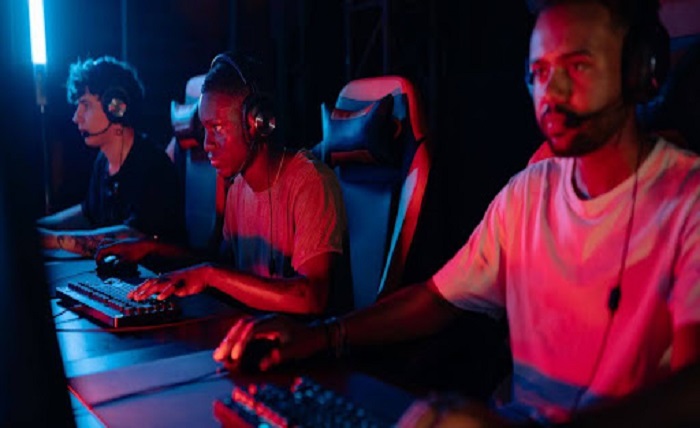
Why do some games stop feeling like solo hobbies and start feeling like places people belong?
The answer sits in the way online gaming mixes play, talk, and shared goals. A match is no longer only about points or wins. It becomes a repeated meeting spot where people notice each other, remember habits, and build trust through small moments.
That shift changes the whole experience. Players return not only for the rules of the game, but also for the people who show up beside them. Once that happens, the game begins to work like a social space, even if the screen still shows the same map, timer, or scoreboard.
Shared Play Creates Familiarity
Repeated play is what turns strangers into regulars. A person who sees the same names every night starts to learn who takes risks, who keeps calm, and who likes to talk strategy. That kind of familiarity makes later matches feel less anonymous and more personal.
The ZEUS222 game itself gives people a reason to keep meeting. Since everyone is facing the same challenge, conversation starts with something concrete. Successes, mistakes, close calls, and comebacks all become shared reference points that are easy to remember and talk about later.
Small Habits Become Social Signals
In online matches, tiny habits matter. Someone who always opens with a quick greeting or helps after a loss becomes known for that behavior. Those patterns build identity faster than long introductions because other players see them in action.
Teams also form faster when people can rely on predictable behavior. A player who communicates clearly or keeps a steady pace gives others something to trust. That trust makes the group feel less random and more like a circle with shared expectations.
Conversation Extends The Game
The social part of gaming grows when players talk about more than the match itself. Chat, voice, and message threads let people compare notes, joke around, and explain choices after the action ends. Those extra talks keep the group active between sessions.
In many spaces, a slot online player learns that the talk around the game can matter as much as the result. Shared reactions to a win, a near miss, or a lucky turn help players feel part of the same moment, even if they are not sitting in the same room.
Shared Language Makes Belonging Easier
Every game develops its own shorthand. People use short calls, nicknames, and in-jokes that only make sense inside that group. Once someone learns the language, they stop feeling like an outsider and start feeling included.
This kind of talk also lowers the effort needed to connect. Players do not need long introductions each time because the game context carries part of the conversation. That makes social contact feel natural instead of forced.
Competition Gives Groups A Reason To Stick Together
Competition can split people, but it also binds them. Teams, guilds, and regular squads need coordination, so players keep coming back to the same group. Shared goals create a reason to show up on time and stay involved.
That repeated coordination teaches people how to work together under pressure. A close match can reveal who stays steady, who adapts fast, and who keeps morale up. Those traits matter in play and in group trust, so they carry social weight.
Shared Wins And Losses Build Memory
People remember a comeback, a narrow loss, or a perfect save because those moments feel earned together. A win belongs to the group, not just one player, and a loss often leads to planning and encouragement. Both outcomes add to the group story.
Over time, those memories become part of why the community stays active. The game provides the structure, but the shared history gives the group staying power. That is why some players return for the people even after they know the rules by heart.
Identity Keeps The Community Alive
Online gaming also lets people present parts of themselves through play. A person may be known for strategy, humor, patience, or fast reactions, and that identity becomes part of how others treat them. The game gives them a role that others can recognize.
That role matters because it makes social belonging feel earned. Players are not just names on a screen; they become known for how they act in a group. Over time, those identities create stable communities that keep growing as new players learn the same habits.
Even long after the match ends, the social links remain. That is why online gaming keeps turning games into communities.