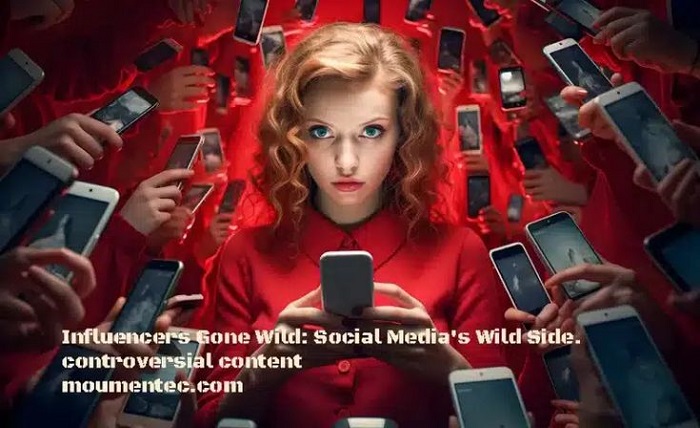
Influence gone wild is a phenomenon where social media personalities take their online presence to extreme levels, often prioritizing attention over authenticity. When influence gone wild occurs, influencers may engage in reckless, controversial, or sensational behavior to maintain or grow their following. This can include posting provocative content, participating in viral challenges, or making exaggerated claims for engagement. Influence gone wild is not limited to a specific platform; it spans Instagram, TikTok, YouTube, and even emerging apps where visibility can translate to fame and monetary gain.
At its core, influence gone wild reflects the psychology of online validation. Influencers often feel pressure to constantly push boundaries, leading to content that can shock or disturb audiences. Understanding influence gone wild is essential for both followers and marketers, as it demonstrates how digital fame can sometimes override personal ethics. When influence gone wild reaches its peak, it can spark debates about responsibility, mental health, and the future of online culture.
The Psychology Behind Influence Gone Wild
The rise of influence gone wild can be traced to human psychology and the addictive nature of social media. The dopamine hit from likes, shares, and comments incentivizes influencers to push limits, creating more extreme content. Influence gone wild often emerges when influencers prioritize engagement metrics over genuine connection with their audience. Social validation becomes addictive, and influence gone wild transforms online spaces into spectacles of attention-seeking behavior.
Influence gone wild is also fueled by the desire for notoriety. The more outrageous the content, the more likely it is to go viral, further reinforcing extreme behaviors. Psychologists warn that influence gone wild can blur the line between an influencer’s real personality and their online persona, sometimes resulting in long-term stress, anxiety, or burnout. The social proof of followers—view counts, comments, and shares—makes influence gone wild increasingly hard to resist for individuals chasing digital fame.
Social Media Platforms and Influence Gone Wild
Different social media platforms contribute uniquely to the culture of influence gone wild. Instagram and TikTok, for instance, reward visually striking or sensational content, making influence gone wild more visible and tempting. YouTube encourages influence gone wild through algorithmic recommendations, often promoting shocking or extreme videos for higher watch time. Each platform has its own ecosystem that can magnify influence gone wild, incentivizing riskier behavior.
Influence gone wild is amplified by platform features like trending hashtags, live streams, and stories, which create urgency and visibility. When an influencer sees that extreme content performs better than subtle or thoughtful posts, influence gone wild can become a self-perpetuating cycle. Platforms may attempt moderation, but the virality engine often rewards influence gone wild more than careful content creation. Understanding how platforms enable influence gone wild helps explain why some influencers struggle to maintain balance online.
The Consequences of Influence Gone Wild
Influence gone wild can have significant consequences for both influencers and their audiences. For influencers, the pursuit of extreme attention may result in damaged reputations, legal trouble, or mental health challenges. Influence gone wild can also attract toxic comments, online harassment, or public backlash, creating a high-pressure environment. In some cases, influence gone wild has led to permanent social media bans, loss of sponsorships, or financial setbacks.
Audiences are also affected by influence gone wild. Younger followers may attempt to imitate extreme behaviors, creating safety risks or unhealthy expectations. Influence gone wild can distort reality, as curated content may present unattainable lifestyles or unethical behaviors as desirable. Society at large experiences influence gone wild through media cycles, where scandals and sensational content dominate headlines, reinforcing the belief that online influence is inherently chaotic or irresponsible.
How Brands Navigate Influence Gone Wild
Brands seeking collaborations with influencers must carefully consider the risks of influence gone wild. Partnering with an influencer whose content veers into influence gone wild territory can result in reputational harm or negative associations. Brands increasingly perform due diligence, evaluating whether an influencer’s behavior aligns with company values before entering campaigns.
Some brands attempt to leverage influence gone wild strategically, recognizing the viral potential of extreme online behavior. However, influence gone wild can backfire if the content alienates target audiences. Marketers must balance engagement potential with risk management, understanding that influence gone wild is a double-edged sword. By recognizing trends and monitoring influencers’ behaviors, brands can navigate influence gone wild without jeopardizing credibility or customer trust.
Influence Gone Wild and Cultural Shifts
Influence gone wild reflects broader cultural shifts in attention, fame, and entertainment. Society increasingly rewards visibility over substance, and influence gone wild exemplifies this trend. Influencers who embrace influence gone wild often push societal boundaries, challenging norms related to privacy, decency, and ethics. These cultural shifts are not universally negative, but influence gone wild can amplify controversial or harmful behaviors.
The mainstreaming of influence gone wild has implications for media consumption, personal identity, and interpersonal relationships. People may measure social worth by digital attention, mirroring the logic of influence gone wild. Moreover, influence gone wild has accelerated the blending of celebrity culture with everyday life, making extreme behaviors more visible and normalized. Understanding influence gone wild helps contextualize how social media is reshaping values and expectations across generations.
Preventing and Addressing Influence Gone Wild
While influence gone wild is pervasive, there are strategies to mitigate its effects. Social media literacy, mental health awareness, and responsible platform design are critical to preventing influence gone wild from causing harm. Parents, educators, and influencers themselves can educate audiences about the risks of influence gone wild, promoting safer engagement practices.
Platforms are also experimenting with policies to curb influence gone wild, such as content moderation, algorithm adjustments, and stricter advertising guidelines. Users can report extreme behavior and avoid glorifying influencers who participate in influence gone wild. Personal responsibility, combined with structural interventions, is key to ensuring that influence gone wild does not erode ethical or cultural standards in digital spaces.
Conclusion
Influence gone wild is a complex phenomenon that reflects the extremes of social media culture. It highlights the tension between visibility and authenticity, risk and reward, entertainment and ethics. While influence gone wild can lead to notoriety, profit, and viral success, it also carries significant consequences for influencers, audiences, and brands. Recognizing and understanding influence gone wild is essential in navigating today’s digital landscape responsibly. By fostering awareness, encouraging moderation, and promoting accountability, society can enjoy the benefits of social media without succumbing to the chaos of influence gone wild.
FAQs
Q1: What does influence gone wild mean?
Influence gone wild refers to influencers taking their online behavior to extreme levels for attention, often prioritizing virality over authenticity.
Q2: Which platforms encourage influence gone wild the most?
Instagram, TikTok, and YouTube are major platforms where influence gone wild is amplified through trending content, algorithmic promotion, and audience engagement metrics.
Q3: Is influence gone wild harmful to mental health?
Yes, influence gone wild can cause stress, anxiety, or burnout for influencers and may set unrealistic expectations for followers.
Q4: How do brands handle influence gone wild?
Brands evaluate the risks of collaborating with influencers, balancing viral potential with reputational safety when influence gone wild is involved.
Q5: Can influence gone wild be controlled or prevented?
Yes, through social media literacy, responsible behavior, platform moderation, and promoting awareness about the risks associated with influence gone wild.